Grievance Patterns Shaping License Renewal Decisions in Digital Wagering Platforms
Written by Erik Richter · Oct 20, 2026
Grievance Patterns Shaping License Renewal Decisions in Digital Wagering Platforms
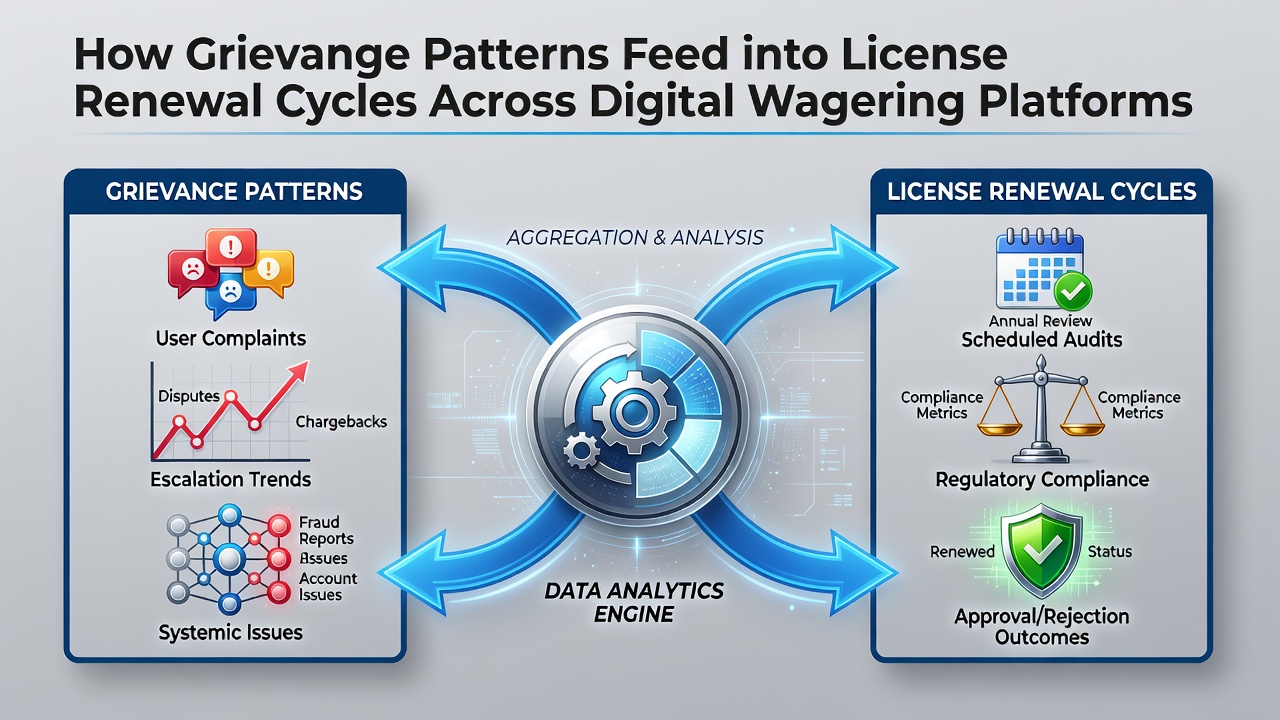
Grievance patterns have emerged as a central factor in how regulatory bodies evaluate license renewals for digital wagering platforms, with complaint volumes, resolution times, and recurring issue types feeding directly into renewal assessments across multiple jurisdictions. Regulators review aggregated data on player disputes during each cycle, and platforms must demonstrate measurable improvements in areas such as payout delays, account verification problems, and bonus disputes to maintain their operating authority.
Data from state and national oversight agencies shows that unresolved grievance clusters often trigger deeper audits before renewal approvals are granted. In October 2026 several regulators updated their review protocols to include automated tracking of complaint trends over 12-month periods, allowing them to flag platforms with repeated spikes in specific categories like withdrawal failures or game fairness concerns.
Regulatory Review Processes and Complaint Data Integration
Authorities in regions such as Nevada, Ontario, and parts of Australia require operators to submit detailed complaint logs as part of renewal applications, and these submissions undergo cross-referencing against independent player reports collected through government portals. The Alcohol and Gaming Commission of Ontario publishes annual summaries that link elevated grievance rates to extended renewal scrutiny periods, while the Nevada Gaming Control Board incorporates similar metrics into its compliance evaluations.
Platforms that exhibit consistent resolution rates below established thresholds face additional conditions on their licenses, including mandatory third-party audits or temporary restrictions on new game offerings. Researchers at institutions studying gambling regulation note that grievance data provides regulators with quantifiable indicators of operational stability, since patterns in complaints often correlate with broader issues in financial controls or customer service infrastructure.
Geographic Variations in How Grievances Influence Renewals
Different jurisdictions apply grievance analysis in distinct ways during renewal cycles. Australian state commissions, for example, weight payout-related complaints more heavily than promotional disputes, whereas certain European regulators prioritize volume spikes tied to responsible gambling tools. These variations mean that a platform operating across borders must adapt its internal tracking systems to satisfy each authority's specific data requirements.
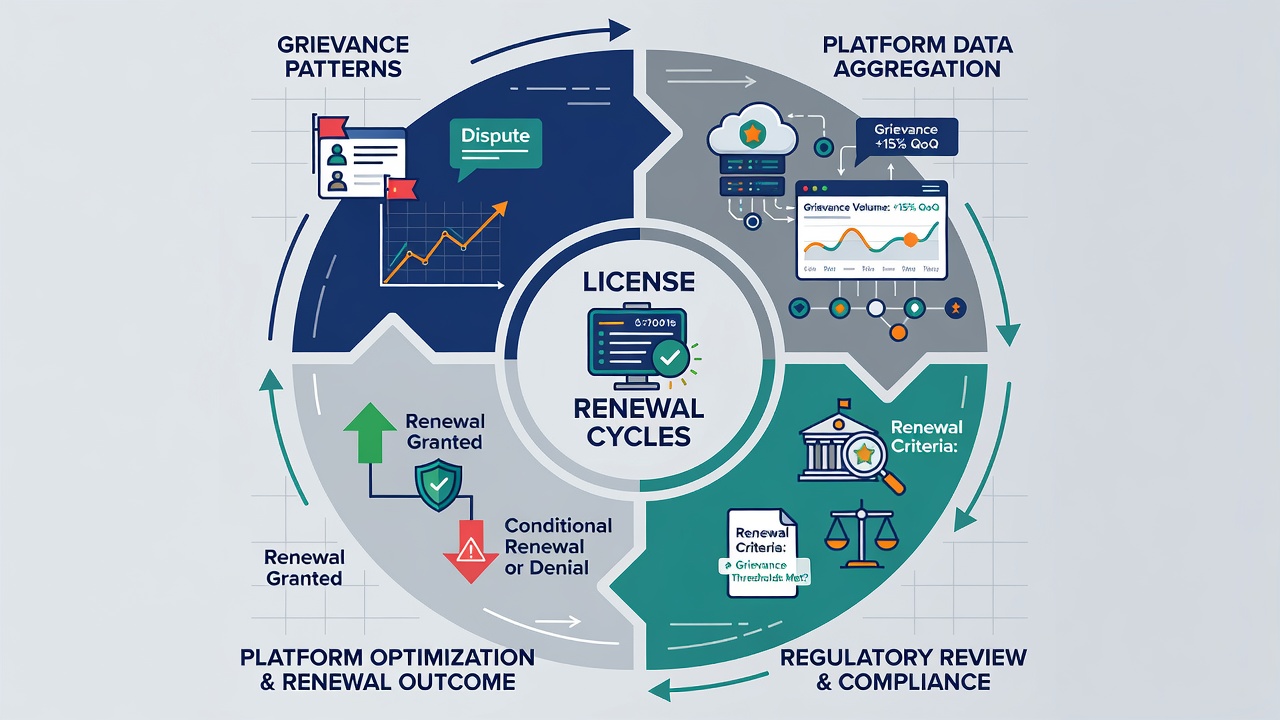
One study from an academic research group examining multi-jurisdictional operators found that platforms addressing grievance trends proactively through system upgrades tended to complete renewal processes with fewer imposed conditions. The same analysis showed that operators ignoring recurring complaint categories experienced longer review timelines, sometimes extending six months beyond standard renewal dates.
Case Examples from Industry Reports
Take one documented case involving a platform that saw a 40 percent rise in account closure disputes over two consecutive quarters. Regulators in the relevant jurisdiction delayed renewal until the operator implemented enhanced verification protocols and submitted quarterly progress reports. Another instance involved a sportsbook where bonus dispute complaints clustered around specific promotional terms, prompting the authority to require clearer disclosure language before approving the next license period.
Industry organizations such as the Nevada Gaming Control Board and the Alcohol and Gaming Commission of Ontario have both referenced these types of patterns in public guidance documents, emphasizing that sustained grievance monitoring helps identify risks before they escalate into broader compliance failures.
Technological Tools Supporting Grievance Analysis
Many regulators now employ data analytics platforms that categorize complaints automatically and track resolution velocity across operators. These tools allow authorities to compare an individual platform's performance against sector averages, creating benchmarks that feed into renewal scoring models. Platforms have responded by integrating similar internal systems that surface emerging grievance patterns in real time, enabling corrective action before regulatory submission deadlines.
October 2026 saw several commissions release updated technical specifications requiring operators to maintain complaint data in standardized formats compatible with regulator dashboards. This standardization reduces processing delays during renewal reviews and improves the accuracy of trend identification across different complaint types.
Conclusion
Grievance pattern analysis has become embedded in license renewal cycles for digital wagering platforms, with regulators using complaint data to assess operational health and enforce accountability. Platforms that maintain transparent reporting and demonstrate responsive adjustments to recurring issues achieve smoother renewal outcomes, while those with persistent unresolved patterns encounter extended scrutiny and additional compliance requirements. As regulatory frameworks continue to evolve, the connection between grievance tracking and license maintenance remains a core element of oversight in this sector.