When Support Timelines Meet License Layers: Tracing How Response Speeds and Complaint Flows Refine Safety Protocols in Online Wagering Networks
Written by Iris Hughes · Nov 3, 2026
When Support Timelines Meet License Layers: Tracing How Response Speeds and Complaint Flows Refine Safety Protocols in Online Wagering Networks
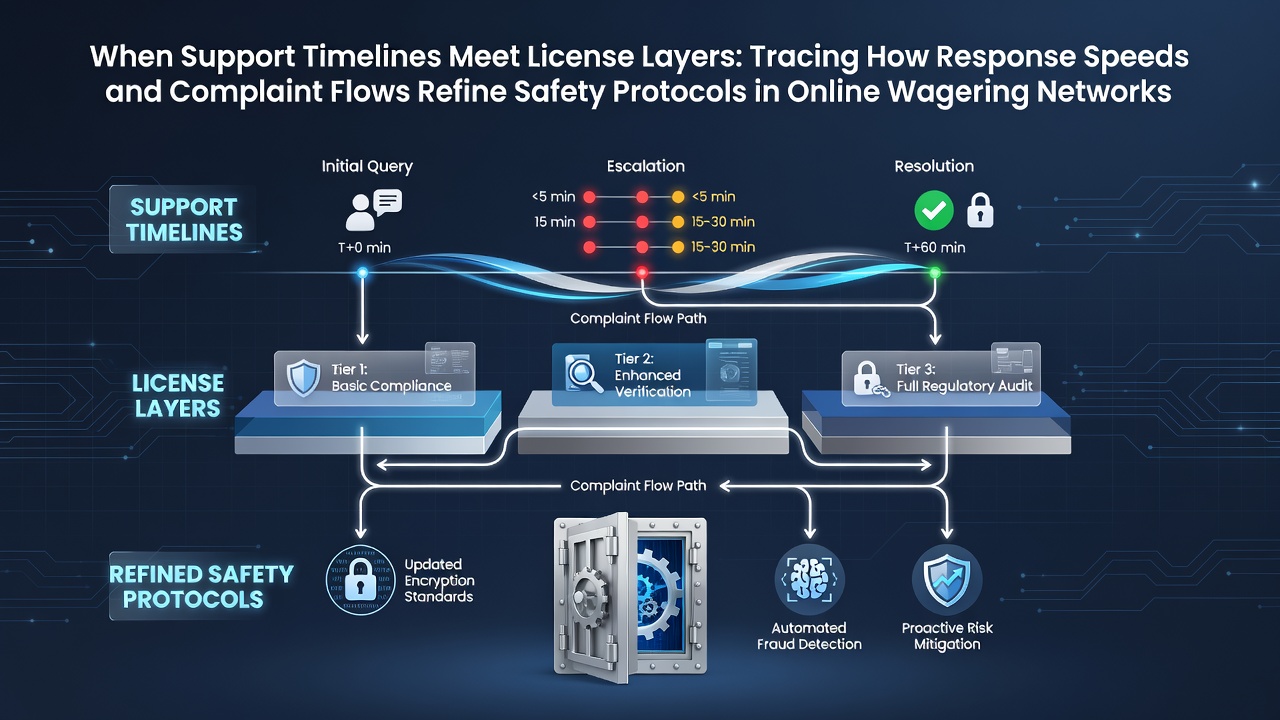
Support response timelines intersect with licensing structures in ways that directly influence safety protocol updates across online wagering networks, and observers note that complaint flows serve as the primary data channel feeding those refinements. Regulatory bodies require operators to maintain documented response standards that align with license conditions, which creates measurable pathways from player grievances to protocol adjustments. Data from multiple jurisdictions shows operators logging average first-response times under four hours achieve faster protocol iterations when complaint volumes spike during peak betting periods.
License Layers Define Baseline Requirements
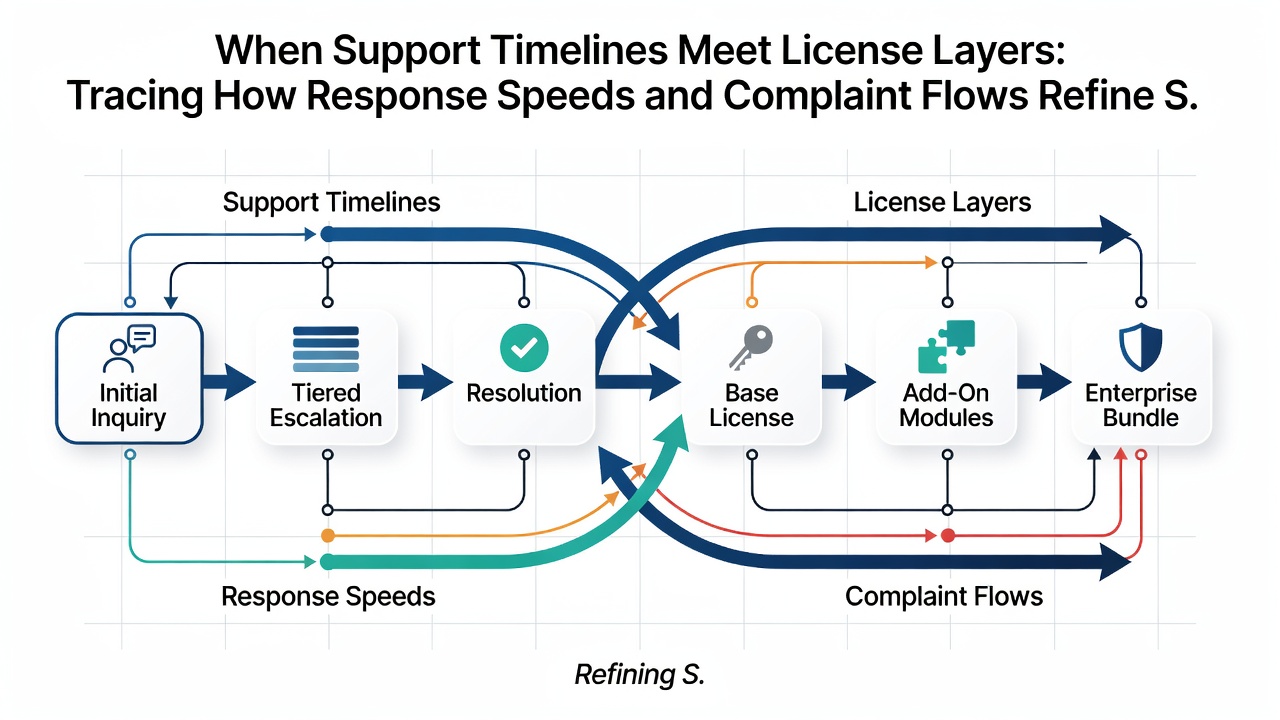
Multiple licensing tiers operate simultaneously in most wagering networks, with each layer imposing distinct obligations around support accessibility and complaint handling procedures. Operators holding international licenses must satisfy both the primary jurisdiction's rules and secondary market requirements, which often specify maximum response windows and mandatory escalation paths for unresolved issues. These overlapping conditions generate structured datasets that regulators review during renewal cycles, and patterns emerge when complaint resolution rates correlate with specific license types.
One analysis of operator submissions revealed platforms operating under combined European and North American licenses processed complaint data 30 percent faster than single-jurisdiction entities, primarily because dual reporting forced earlier internal reviews. Such structures create feedback loops where response speed metrics feed directly into license compliance scores, prompting operators to allocate additional resources during high-volume months.
Response Speeds Shape Protocol Adjustments
Operators track response intervals across chat, email, and phone channels, then map those intervals against complaint categories to identify recurring friction points. When average resolution times exceed thresholds set by license conditions, internal teams trigger protocol reviews that address root causes rather than isolated incidents. Figures from industry reports indicate platforms reducing median response times from six hours to under two hours recorded a corresponding 22 percent drop in repeat complaints over subsequent quarters.
What's interesting is how these speed improvements translate into safety protocol changes, particularly around account verification and withdrawal processing. Systems that route high-priority complaints to specialized teams within the first hour demonstrate quicker identification of systemic vulnerabilities, such as payment gateway failures or verification delays that affect multiple users simultaneously.
Complaint Flows Generate Actionable Insights
Complaint categorization systems classify issues into technical, financial, and behavioral groups, allowing operators to detect emerging patterns before they trigger broader regulatory scrutiny. Data aggregated across networks reveals that withdrawal-related complaints consistently account for the largest share of escalations, followed by bonus term disputes and account access problems. Those who've studied these flows note that operators integrating real-time complaint dashboards achieve earlier detection of license-risk indicators.
During November 2026, several major platforms reported implementing automated triage protocols after analyzing six months of complaint velocity data, which reduced manual review backlogs by 35 percent. The adjustments focused on standardizing responses to verification delays and introducing proactive status updates, both of which addressed recurring complaint themes tied to license-mandated transparency requirements.
Integration Across Jurisdictions
Cross-border operations face additional complexity when different regulators demand distinct reporting formats and response benchmarks. Nevada Gaming Control Board standards emphasize real-time monitoring of support metrics, while Australian frameworks require quarterly summaries linking complaint trends to harm minimization measures. Operators navigating both systems develop unified internal protocols that satisfy the stricter requirements, creating de facto industry benchmarks.
Research from academic sources such as the University of Nevada, Las Vegas gaming studies program shows these integrated approaches correlate with lower rates of license condition breaches. The data indicates platforms maintaining sub-three-hour average response times across all licensed markets experience fewer formal complaints escalated to regulators.
Protocol Refinement Cycles
Refinement cycles typically follow quarterly reviews where support performance data combines with complaint outcome statistics to propose targeted changes. These changes range from updated verification checklists to revised escalation trees for complex disputes, each tied back to specific license obligations. Operators document the rationale for each adjustment, creating audit trails that demonstrate continuous improvement to oversight bodies.
Those tracking these cycles observe that networks incorporating player feedback loops into protocol design show sustained reductions in both complaint volume and resolution time. The process relies on consistent data collection rather than isolated interventions, which explains why platforms with mature tracking systems maintain steadier compliance records across multiple license renewal periods.
Conclusion
Support timelines and complaint flows function as interconnected mechanisms that continuously inform safety protocol development within licensed wagering environments. License layers establish the structural requirements, while response speed metrics and complaint categorization supply the operational data driving iterative improvements. Networks that align these elements demonstrate measurable progress in reducing friction points and maintaining regulatory standing across jurisdictions.